Tampa International Airport Monorail Decommissioning and Moving Walkway Installation
Tampa, Florida
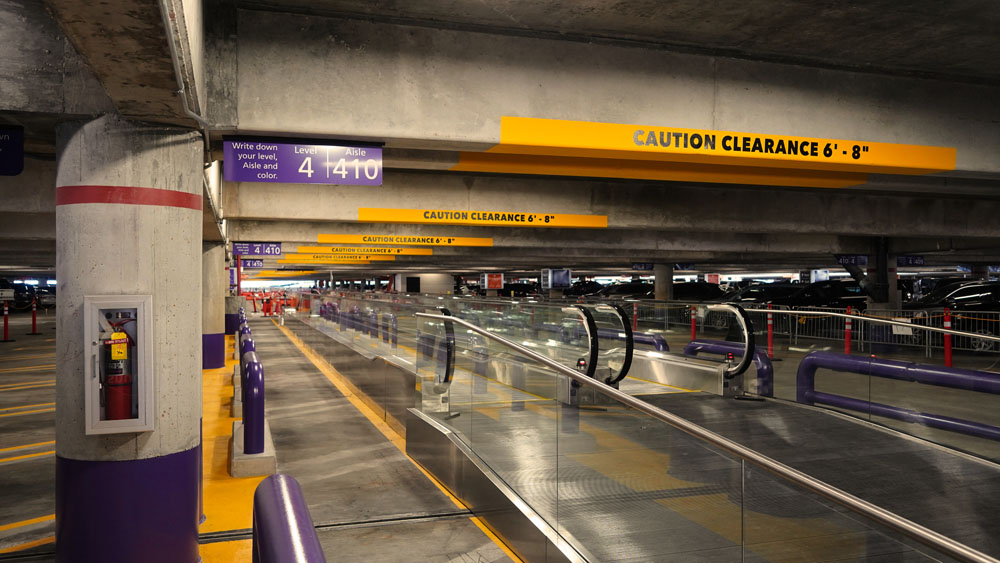
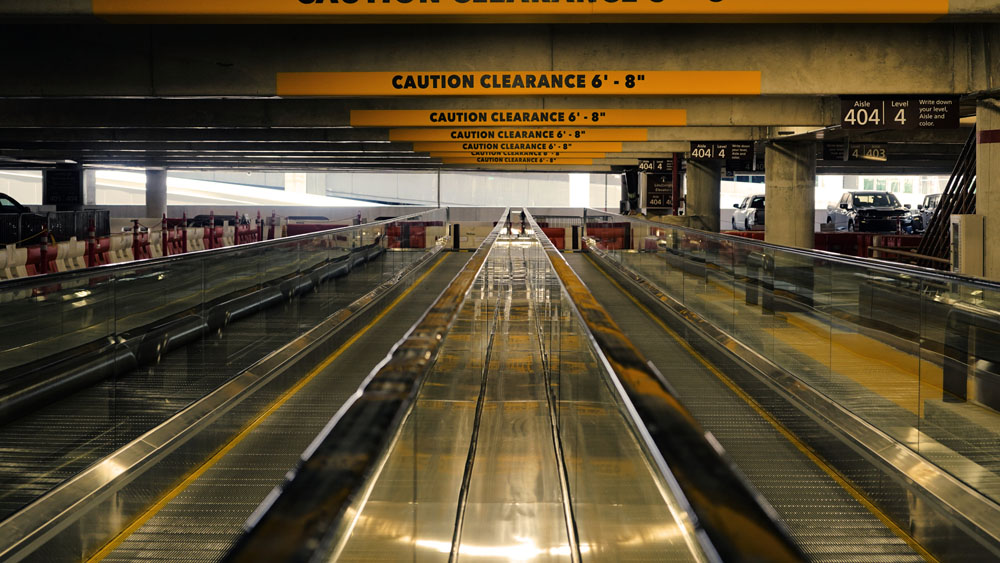
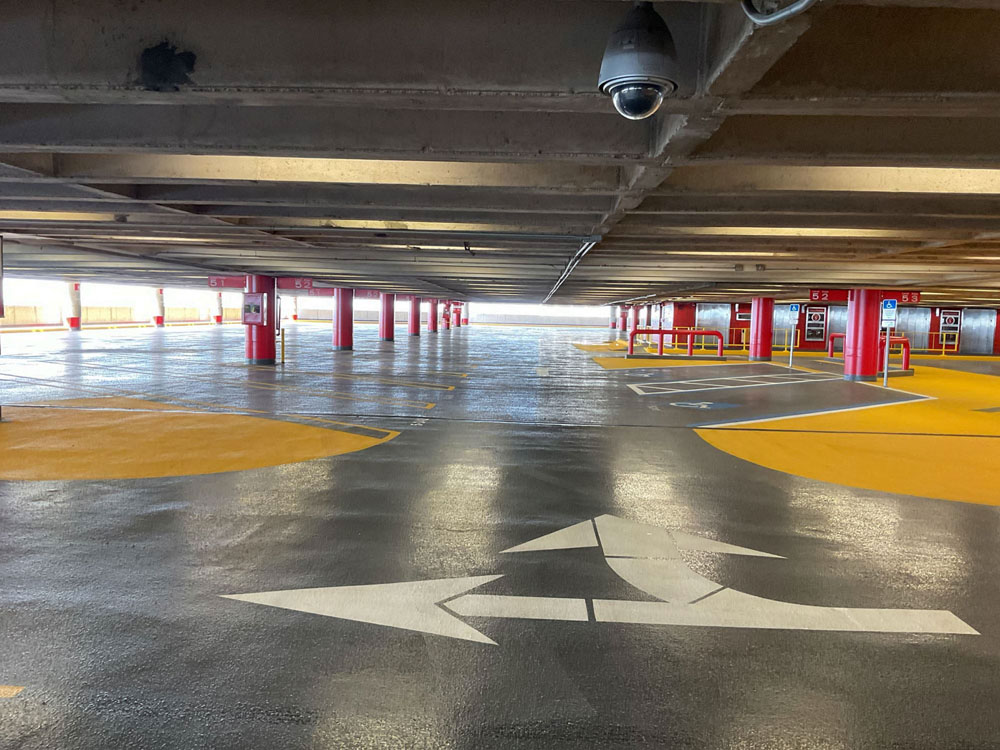
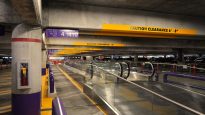
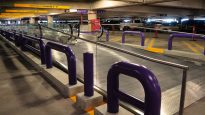
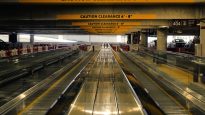
The Monorail System Decommissioning & Moving Walkway Installation project is a design-build modernization at Tampa International Airport aimed at improving passenger movement between the long-term and short-term parking garages. Spanning approximately 150,000 square feet of the parking structure, the project included the complete decommissioning and demolition of the airport’s aging elevated monorail and track system and the installation of twelve new moving walkways on Level 4 of the Long Term Parking Garage. These moving walkways create a seamless, ADA-accessible pedestrian pathway across the garage level, allowing travelers to travel the 500-foot distance to the main terminal more quickly and comfortably. In place of the shuttered monorail, the improved connection not only speeds up the journey between parking and the terminal but also eliminates the maintenance burden of the old monorail system for the airport.
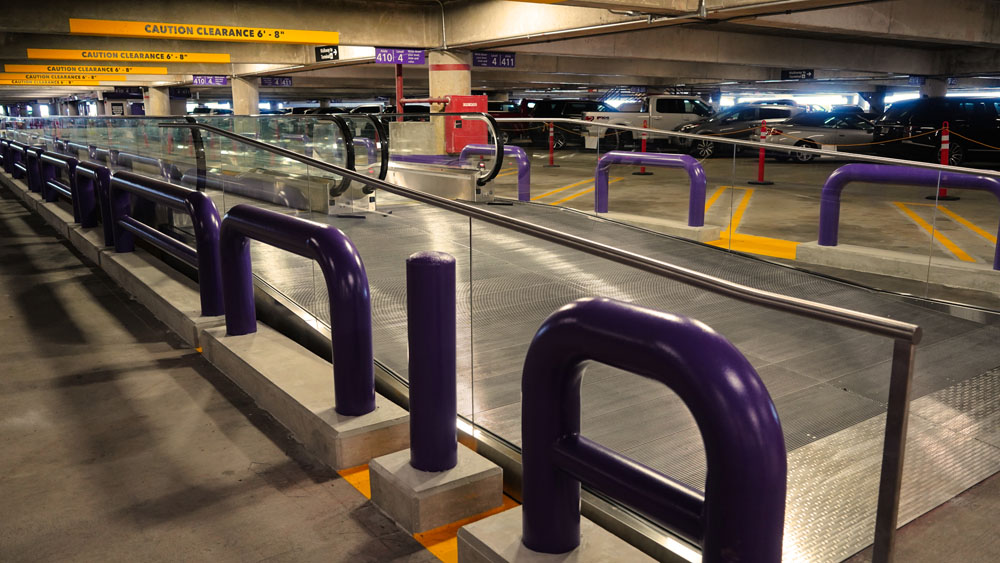
Executing this project in a busy, operational airport environment required careful planning and innovative construction techniques. The scope called for anchoring over 550 protective bollards along the walkway path on a post-tensioned concrete slab without damaging any of the slab’s embedded tension cables. To achieve this, the project team employed comprehensive scanning technologies – including Ground Penetrating Radar (GPR) and X-ray imaging – to map existing cables before drilling. They then used custom-fabricated base plate templates for each bollard location, enabling precise installation with zero cable strikes throughout the process. Construction sequencing was highly coordinated with airport operations; work zones on the parking decks were adjusted in real-time to maintain as many parking spaces as possible for travelers, and an adaptive scheduling approach ensured that progress continued without delays despite the dynamic environment. Overhead clearance for the new walkways was another challenge in the confined garage levels – the team utilized 3D laser scanning of the structure to verify spatial constraints, which allowed the design to be refined as needed before installation, thereby preserving the garage’s structural integrity. One of the most complex aspects was removing and rebuilding the former monorail’s large concrete support slab located above an active terminal roadway. This was accomplished using remote-controlled demolition robots to safely dismantle concrete in the tight, elevated space, and a custom pulley system to hoist and place new steel beams for the walkway support, all while minimizing impacts to the terminal activities below. Despite these technical and logistical challenges, the project was completed on schedule and with no disruptions to airport operations or passenger safety incidents.
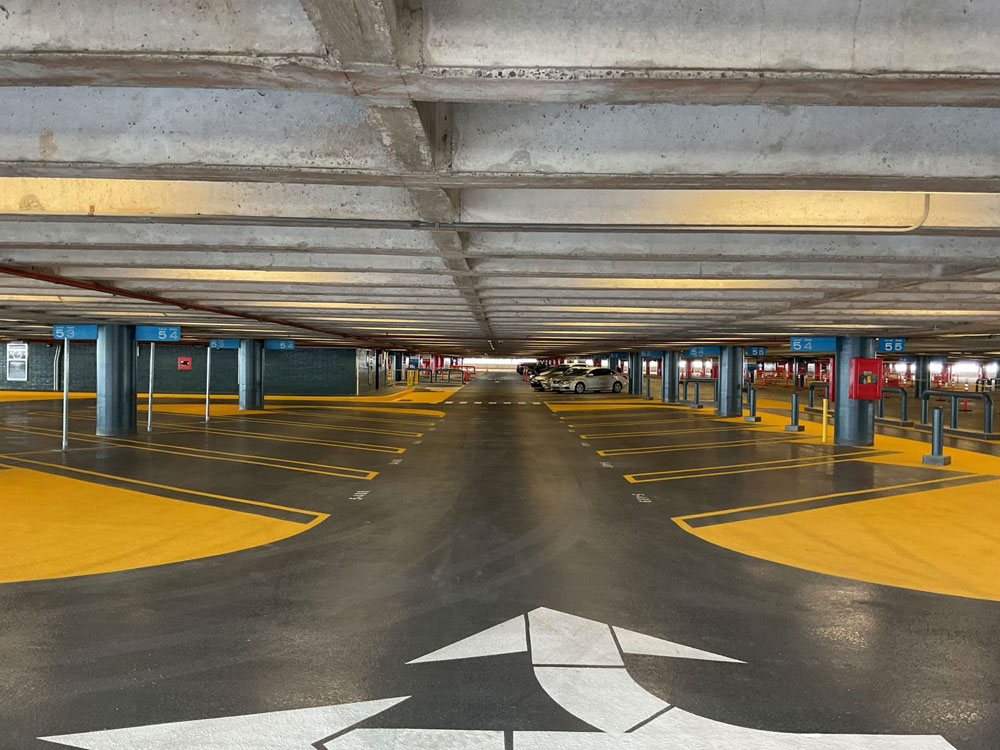
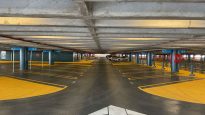
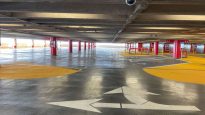
With the monorail removed and the new walkways in operation, Tampa International Airport has significantly enhanced the parking-to-terminal experience for its patrons. Travelers now benefit from a continuous moving walkway route that is fully ADA-compliant, sheltered within the garage, and available at all hours – a vast improvement over the previous scenario of walking long distances or waiting for the old monorail. The infrastructure upgrades also yielded secondary benefits: the elimination of the monorail freed up space on the parking decks, allowing the airport to reclaim and reconfigure nearly 500 additional parking spaces across the long-term and short-term garages. This increase in parking capacity, combined with quicker access to the terminal, improves overall airport efficiency and capacity ahead of peak travel periods. The Monorail Decommissioning & Moving Walkways project ultimately delivered a safer, more convenient passage for airport passengers and a long-term operational improvement for the Aviation Authority, aligning with the airport’s modernization and customer service goals. C&S Companies was our design-build partner on the project.